
Blog
Skincare Products I Use When My Skin is Tight, Dry, Reactive

*Links marked with asterisks are affiliate links, these help Ree with running costs of the blog

When my skin starts to feel tight, uncomfortable or suddenly reactive, I know it’s time to change things up. This usually happens in winter, when cold weather, central heating and general life stress all start to show up on my skin at once.
Over the years, I’ve learned that this isn’t the moment to push through with actives or try something new “just to see how it goes”. Instead, I pull things right back and focus on calming, hydrating and supporting my skin barrier.
This is the skincare routine I use when my skin feels tight, dry or reactive, along with the makeup choices that help everything look and feel more comfortable while my skin settles.
What I Mean by Tight or Reactive Skin
For me, tight or reactive skin isn’t necessarily a full-on reaction or breakout. It’s more subtle than that. Signs include:
- Skin feeling tight straight after cleansing
- A warm or slightly stingy sensation when applying products
- Makeup sitting badly or clinging to dry patches
- Skin just feeling “off”, uncomfortable or fragile
When this happens, I know my skin barrier needs some attention.
What I Stop Using Immediately
The first thing I do is simplify. No matter how much I love certain products, I put them on pause until my skin has settled.
I stop using:
- Acids and exfoliating toners
- Retinoids
- Strong vitamin C formulas
- Scrubs or cleansing devices
At this stage, calming and comfort come first. Treating and correcting can wait.
A Gentle Cleanser Is Non-Negotiable
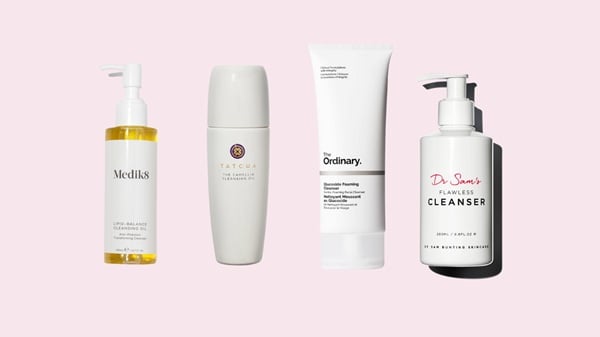
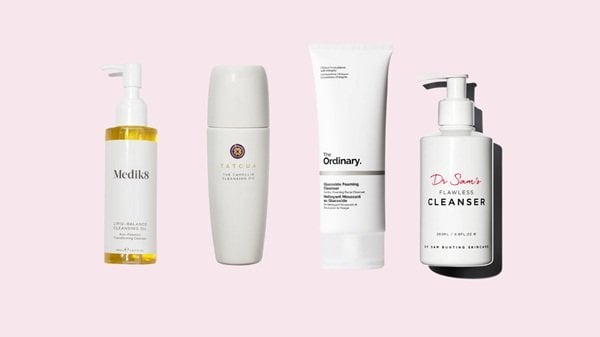
When my skin is reactive, cleansing needs to be as gentle as possible.Cleansing Balms and Cleansing Oils are my preferred first cleanse to break down makeup and SPF, and then I stick to a non-foaming or very low-foam cleanser that doesn’t leave my skin feeling stripped.
Go-to gentle cleansers I trust:
The aim is clean, comfortable skin that doesn’t feel tight the second I step away from the sink.
To see all my best cleansers, check out Best Cleansers for 2026 for all Skin Types and Budgets.
Hydration Comes Before Treatment

This is where my routine really starts to make a difference. When skin feels tight or reactive, hydration is far more important than actives.
I usually add:
- A hydrating essence or toner
- A simple hyaluronic acid or glycerin-based serum
These layers help relieve that tight feeling straight away and prepare my skin for moisturiser.
Hydrating products I reach for:
I apply these on slightly damp skin and take a moment to gently press them in rather than rushing.
Best Hydration Serums:
Barrier-Repair Moisturisers I Rely On

A good barrier-supporting moisturiser is absolutely key when skin is feeling dry or reactive. I look for formulas that focus on ceramides, lipids and soothing ingredients rather than fragrance or actives.
These are the moisturisers I trust most when my skin needs comfort:
I don’t overload my skin, but I do make sure everything feels sealed in properly.
Face Oils and Extras (Only If Needed)

I don’t always use a face oil, but when my skin feels especially dry or tight, I’ll add one in.
I either:
- Press a drop or two on top of moisturiser at night
- Or mix a tiny amount into my cream
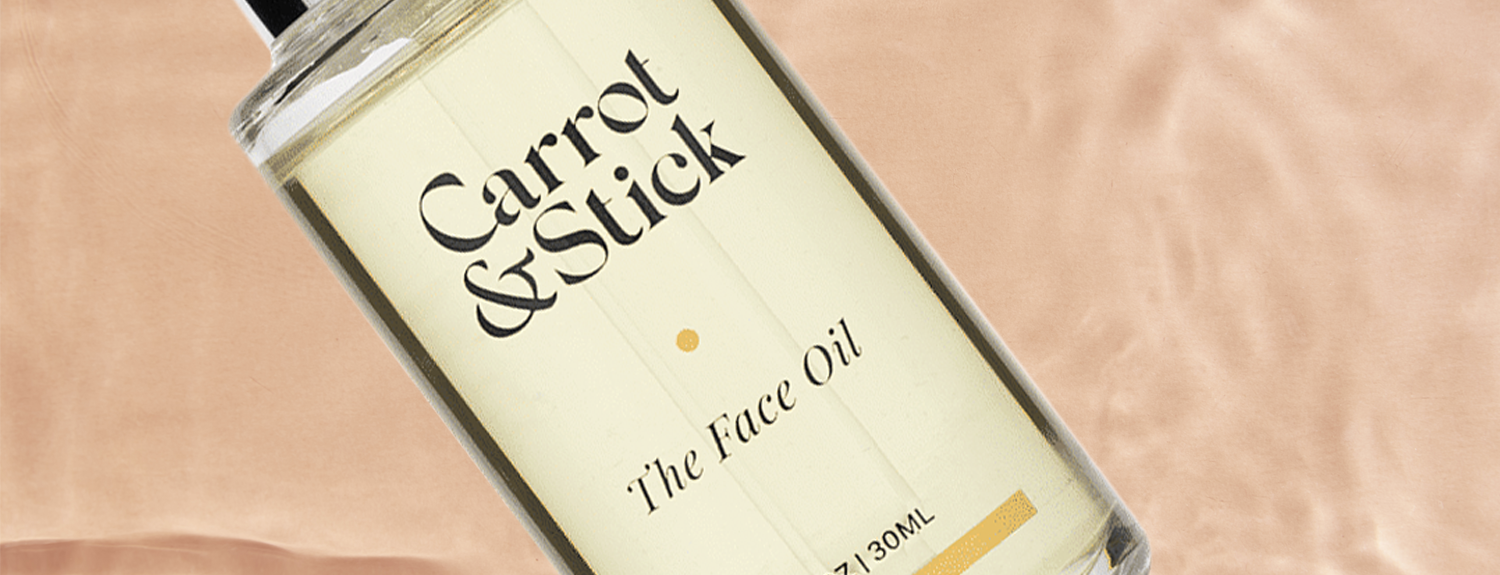
Face oils I use when needed:
This step is optional, but it can make a big difference when skin feels uncomfortable or rough.
My Go-To LED Mask for Calm, Comfortable Skin

When my skin feels tight or reactive, I like to give it a little extra support with an LED mask.
How I use it:
- 12 minutes per session, 4-5 times a week
- Followed immediately by my hydrating serum and moisturiser
- Only on clean, calm skin
My current favourite:
THERABODY Theraface Mask Glo* – gentle, soothing, easy to fit into a routine, plus it gives you a head massage!
I like that this step feels like self-care without overcomplicating my routine. It’s not magic, but it does help my skin look and feel more comfortable.
How Long I Stick With This Routine
I usually follow this simplified, soothing routine for around a week, sometimes a little longer. The key sign that my skin is improving is when:
- Tightness disappears
- Products no longer sting
- Makeup applies more smoothly
Only then do I slowly reintroduce actives.
Makeup When My Skin Feels Tight or Reactive
When my skin feels tight or reactive, makeup can either make things worse or actually help everything look and feel more comfortable. The key for me is choosing formulas that are hydrating, flexible and forgiving.
I tend to avoid anything too matte, long-wearing or powder-heavy during this phase, as those formulas can cling to dry patches and emphasise texture.
Base Makeup

I look for lightweight, hydrating base products that even out my skin without masking it.
Go-to base products:
I apply base makeup sparingly, pressing rather than dragging.
Cream Products Over Powder

When skin feels tight, cream formulas are much more forgiving than powders.
I reach for:
- Cream blush
- Cream bronzer
- Cream highlighter
Favourite cream products (all from my own brand):
These add life back into the skin without emphasising dryness.
Final Thoughts
When my skin feels tight, dry or reactive, everything comes back to comfort. Pulling back on actives, focusing on hydration and barrier repair, and choosing forgiving makeup formulas makes a huge difference to how my skin looks and feels.
This isn’t about having a perfect routine or using lots of products. It’s about listening to your skin, simplifying when you need to, and giving it time to recover.
When skin feels tight, dry or reactive, less really is more. I’ve learned that listening to my skin and focusing on comfort first helps everything recover much more quickly in the long run.
This isn’t about perfection or having a complicated routine. It’s simply about giving your skin what it needs when it’s feeling fragile.
Frequently Asked Questions
How do I know if my skin barrier is damaged?
If your skin feels tight after cleansing, stings when applying products, looks dull or reacts to things it usually tolerates, it’s often a sign that your skin barrier needs some support.
Should I stop using actives when my skin feels reactive?
Yes. When my skin feels reactive, I always pause actives like retinoids, acids and strong vitamin C. Focusing on hydration and barrier repair first helps my skin recover much more quickly.
Can I still wear makeup if my skin feels tight or reactive?
You can, but preparation is key. I keep skincare simple and hydrating, and avoid matte or long-wear formulas until my skin feels comfortable again.
How long does it take for reactive skin to calm down?
For me, it usually takes around a week of a simplified, soothing routine. The key is not rushing back into actives too quickly.
Is tight skin the same as dry skin?
Not always. Tight skin can be a sign of dehydration or barrier disruption rather than a lack of oil. That’s why hydration and barrier support are so important.




:max_bytes(150000):strip_icc()/sofiepavittfacespfsocial-3603d6bd21b74ac4bf6871ec6bb1ba6f.png "Sofie Pavitt Made the Perfect Sunscreen for Acne Prone Skin")


