Blog
How To Prep For Chemical Peel – Beautiful With Brains

Last Updated on May 10, 2026 by Giorgia Guazzarotti
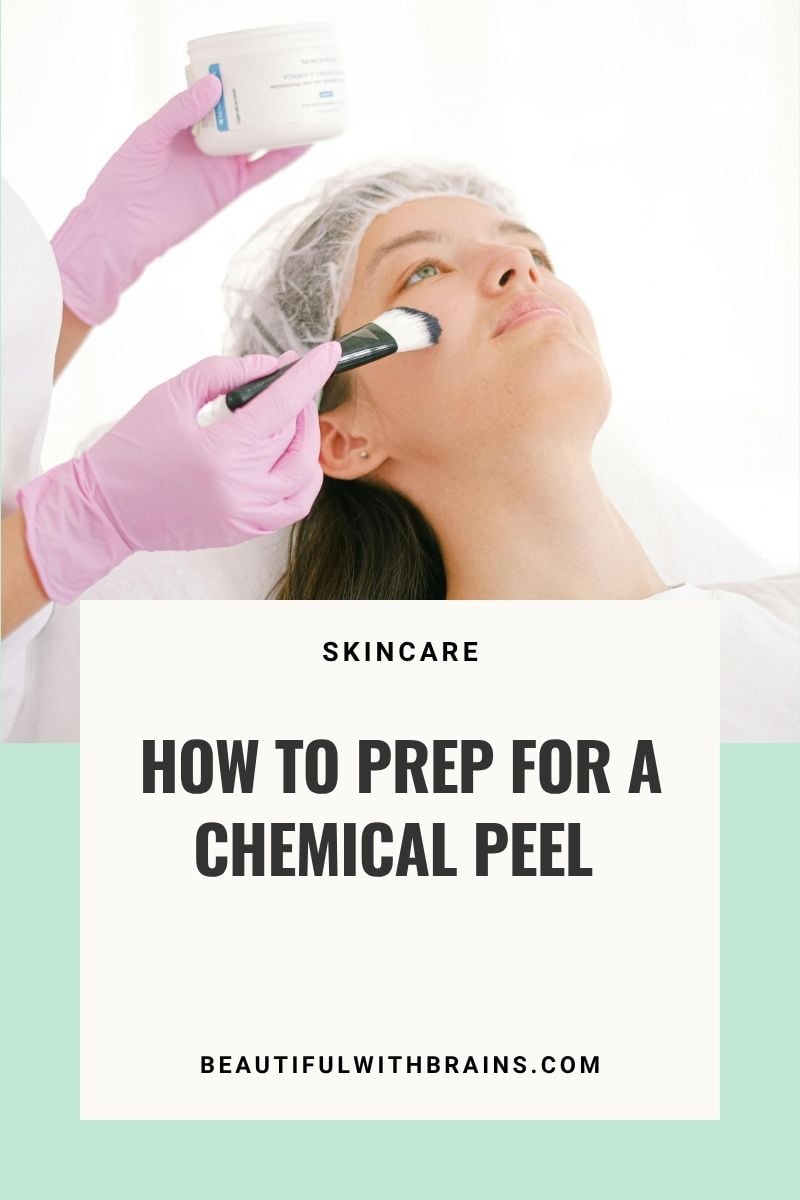
Knowing how to prep for a chemical peel properly is honestly the difference between walking away with that glowy, smoother, what-is-she-doing skin and walking away with a patchy, irritated mess wondering what went wrong – and look, nobody wants to be in that second camp. Because the peel gets all the credit, but what you do in the weeks before your appointment is quietly doing a huge chunk of the work. Think of it like cooking a really good meal: yes, the heat matters, but if you didn’t prep your ingredients properly, you’re already working against yourself before you’ve even started.
Chemical peels are genuinely one of the most effective things you can do for uneven skin tone, dark spots, acne scars, fine lines, dull texture (the list goes on!) but they’re also one of those treatments where skipping the prep doesn’t just mean slightly worse results, it can also put you at risk of complications. So in this article, we’re going through everything: what to start using weeks in advance, what to stop immediately, what your skin type has to do with any of this, and why that one thing your doctor mentioned about cold sores is more important than it sounds.
What Does A Chemical Peel Actually Do?
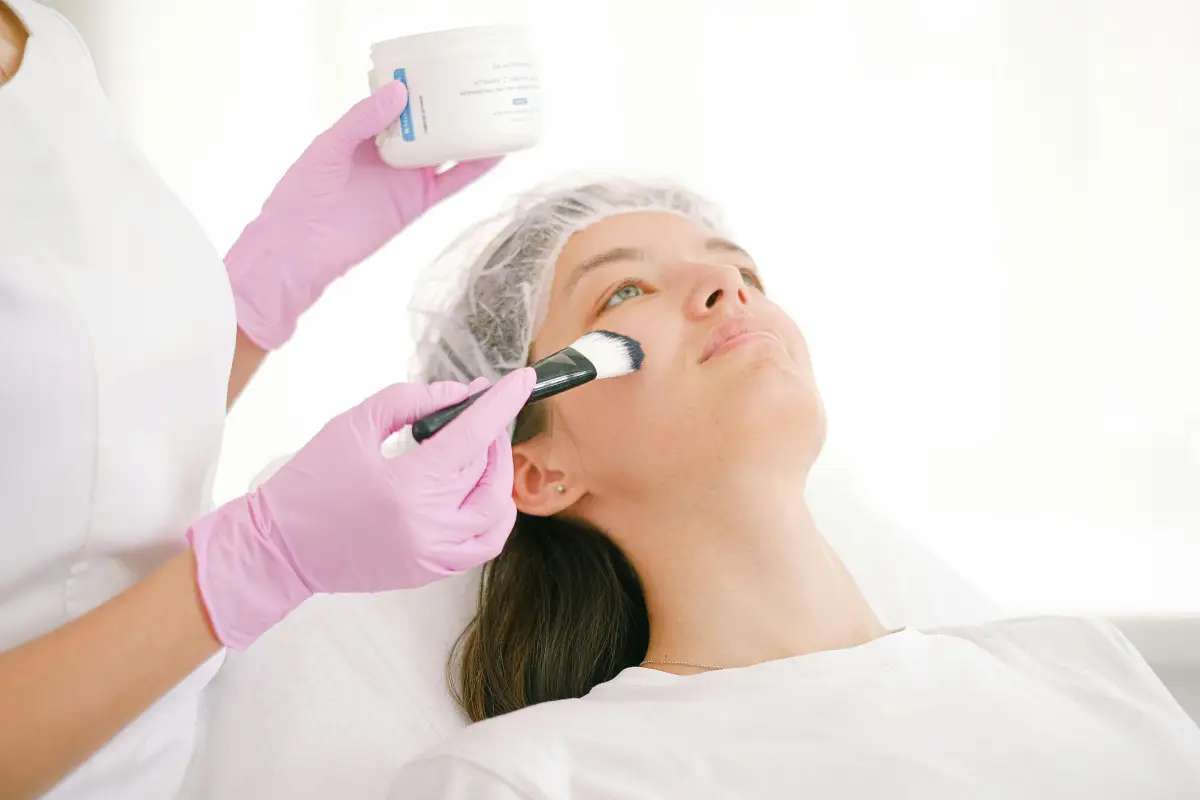
A chemical peel is basically a controlled injury. You’re applying a chemical solution (could be glycolic acid, salicylic acid, trichloroacetic acid, or a bunch of other things depending on the type of peel) to the outer layers of skin, and that acid is deliberately damaging those layers so your body goes into repair mode. Skin regeneration kicks in, new skin comes through, and that new skin is smoother, clearer, and more even than what was there before. The depth of that damage is what determines results. Light peels just tickle the very surface. Medium chemical peels go deeper into the skin. Deep chemical peels go deeper still, into the dermis, and those come with real recovery time and real risks. Proper preparation looks slightly different depending on which one you’re having, but the core principles are the same across the board.
Start With A Consultation
If this is your first chemical peel, the single most important thing you can do is actually talk to a skincare professional about your specific skin (your skin type, your skin tone, your medical history) and figure out what peel makes sense for you. Not your friend who had a great experience with a medium chemical peel. You. Because your skin is different and what worked for her may not work for you.
If you have a deeper complexion, this is especially important. Here’s why. People with deeper skin tones (Fitzpatrick types IV through VI) have a significantly higher risk of post-inflammatory hyperpigmentation (dark spots) after chemical peels. Yep, the exact thing you’re probably getting a peel to fix in the first place! Ending up with more of them because the prep wasn’t tailored correctly is a particularly cruel outcome, and it’s one that’s almost entirely avoidable with the right approach. Deeper skin tones can absolutely get peels (superficial peels are generally safe across the board when done properly), but the strength of the peel, the priming agents, the whole plan needs to be built around your actual skin, not a one-size-fits-all protocol someone copied off a treatment menu.
Related: TCA Peel VS Glycolic Acid Peel: Which One Is Better For You?
Priming The Treatment Area
Priming is the process of preparing your skin to receive the peel, and it starts two to four weeks before your appointment. The basic idea is that your skin has a layer of dead cells sitting on the surface, and if that layer is thick and uneven, the peel can’t penetrate consistently. Some areas get more acid than others, results end up patchy, and your risk of complications goes up. Priming sorts that out before you even sit in the treatment chair.
The most studied priming ingredient is tretinoin, a form of retinoid that is prescription-only in most countries. If you have access to it, great. Research shows that patients who used 0.1% tretinoin for two weeks before a TCA peel healed significantly faster. If you don’t, glycolic acid or salicylic acid at low concentrations work on the same principle and are available over the counter. I know what you’re thinking, “I’m sure I’ve heard you need to stop using all this stuff before a peel?” And you’re right. To an extent. Whatever you’re using though, stop it a week before your appointment. By then it’s done its job, and going in with already-sensitised skin just adds unnecessary irritation on top of the irritation you’re about to deliberately sign up for.
If pigmentation is what you’re treating, consider adding hydroquinone into your prep at least two weeks before. It keeps melanin production in check so your skin is less likely to overreact to the inflammation the peel causes – which matters because that overreaction is exactly how you end up with new dark spots after treating old ones.
Everyone, use broad-spectrum sunscreen, every single day, no exceptions. SPF 30 minimum, cloudy days included. Sun exposure before a peel makes your skin more reactive and raises your baseline pigmentation, neither of which you want. Tanning beds are completely off the table. If you’re outside, wearing wide-brimmed hats isn’t being precious. Sun protection is the most important part of the prep.
What Products To Stop Using And When
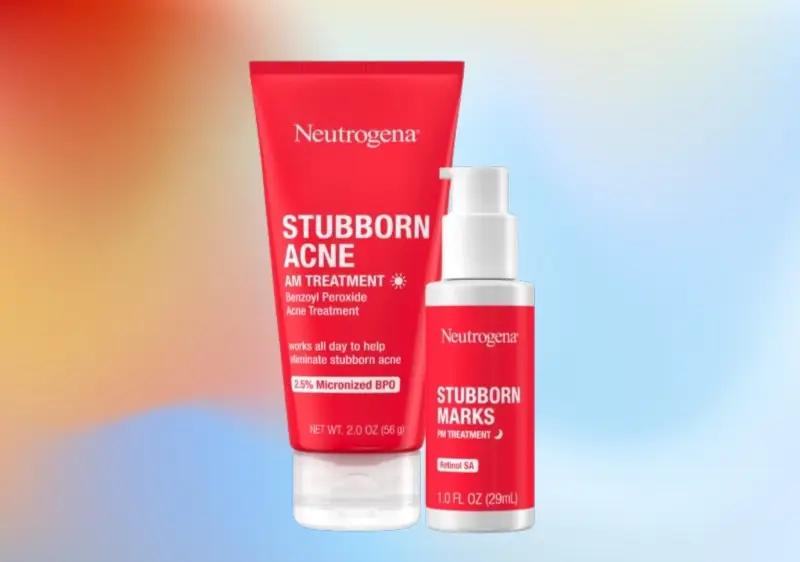
One week before your appointment, everything active in your routine needs to go. Retinoids, glycolic acid, salicylic acid, benzoyl peroxide, vitamin C – all of it, gone. These ingredients increase skin sensitivity, and if your barrier function is already compromised when the peel solution goes on, you’re looking at a much higher risk of irritation and side effects than you need to be. Your skin needs to show up to that appointment in a calm, stable state, not already halfway irritated.
Waxing, dermaplaning, and electrolysis need to stop three to four weeks before, not just one. These all disrupt the skin’s surface in ways that interact badly with a peel, and four weeks sounds like a lot but it genuinely isn’t. And if you’re on any photosensitising medications (certain oral contraceptives, some antibiotics) that’s a conversation to have with whoever is doing your peel, because these can lead to unpredictable pigment changes that nobody wants to deal with after the fact.
What To Do If You Are Prone To Cold Sores
If you have a history of cold sores or herpes simplex outbreaks anywhere near your face, you need antiviral medication before your peel. This is not optional and it’s not overcautious. Chemical peels breach the skin’s barrier, and that’s exactly the kind of trigger that can reactivate the herpes virus. Clinical guidelines recommend starting antiviral medication (typically aciclovir 400mg twice daily) two days before the procedure and continuing for seven days after. Some practitioners prescribe it routinely to everyone, not just people with a known history, because reactivation can happen even in people who’ve never had a noticeable outbreak. Bring it up with your doctor before your appointment, not after.
Your Pre-Peel Skincare Routine
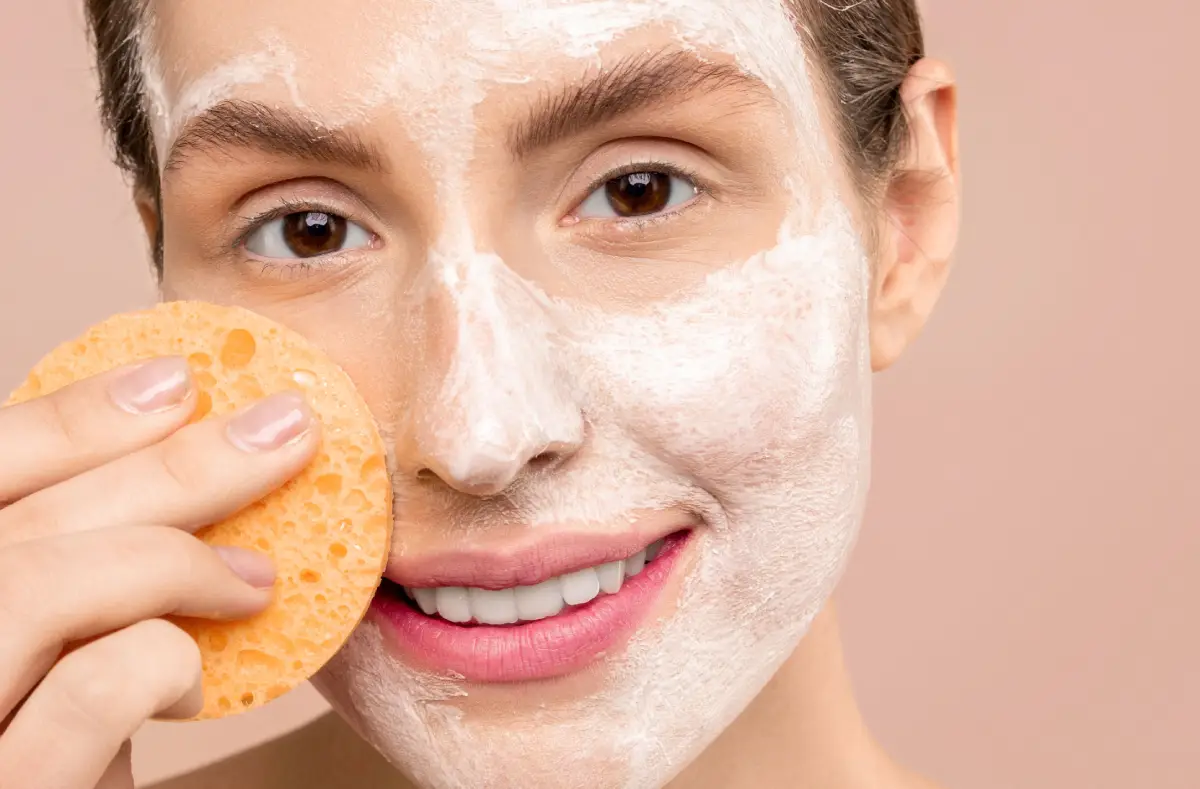
In that final week, your skincare routine should be almost insultingly simple. A gentle cleanser, a basic moisturiser, your sunscreen. That’s it. No new products, nothing with strong acids, nothing experimental. Your only job in the week before a peel is to keep your skin calm, hydrated, and protected. Well-hydrated skin actually allows the top layers to exfoliate more easily during the treatment, so staying moisturised (drink plenty of water and use a hyaluronic acid serum!) in the days leading up to it isn’t fussy advice – it has a point. Also, and this should go without saying but: don’t schedule your peel before anything important. Recovery time is real, especially with medium and deep peels. You will be red. You will peel. Plan accordingly.
The Bottom Line
Chemical peels work. They really do – for dark spots, acne scars, fine lines, sun damage, uneven tone, texture, all of it. But they work best when your skin is actually ready for them. Prime with tretinoin, add hydroquinone if pigmentation is your concern, wear your sunscreen without negotiating with yourself about it, stop your actives a week out, sort the antiviral situation if it applies to you, and show up with calm healthy skin instead of irritated compromised skin. Do all of that and you’ve genuinely done most of the work already. The peel just gets to finish the job. And afterwards, do this to take care of your skin AFTER a chemical peel.