Blog
Dermatologists Say These Antioxidants Work Best for Sensitive Skin


If you have sensitive skin, antioxidant serums can feel like a gamble. The same ingredients that promise brighter, healthier skin can also sting, flush or trigger irritation. But dermatologists say you don’t have to skip antioxidants altogether. In fact, they remain one of the most important ways to protect skin from pollution, UV exposure and everyday oxidative stress. The key is choosing gentler antioxidant ingredients and barrier-supporting formulas that deliver the benefits without the backlash.
Featured Experts
- Jason Chouake, MD is a board-certified dermatologist in Cliffside Park, NJ
- Skylar Souyoul, MD is a board-certified dermatologist in Shreveport, LA
- Rachel Westbay, MD is a board-certified dermatologist in New York
- Dr. Brittany Smirnov is a board-certified dermatologist in Falls Church, VA
Vitamin C Can Be Tricky for Sensitive Skin
Vitamin C is one of the most researched antioxidants in skin care, but certain forms—especially pure ascorbic acid—can be too aggressive for reactive skin. “If rosacea is actively flaring, ingredients like vitamin C can sometimes worsen irritation,” says Cliffside Park, NJ dermatologist Jason Chouake, MD. “But when the condition is stable, a gentle formulation can absolutely be part of a daily routine.”
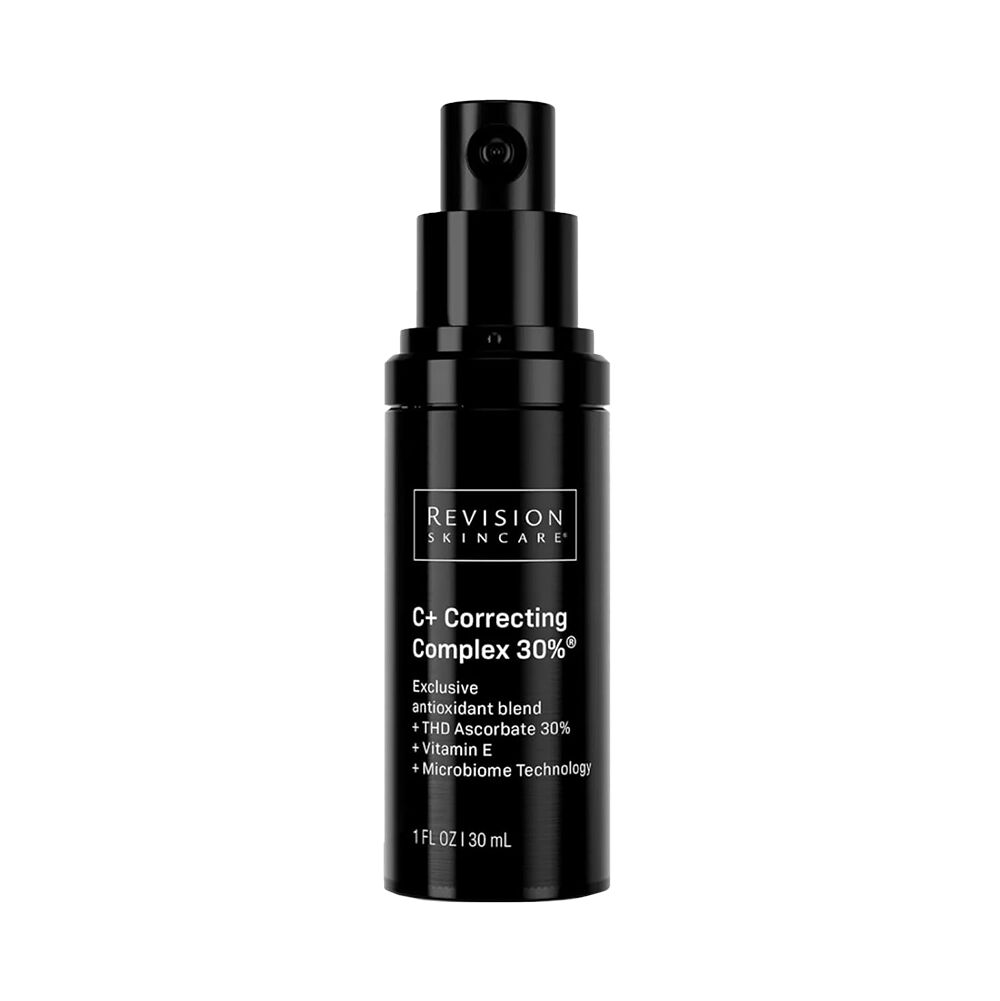
The key, experts say, is choosing vitamin C derivatives, which tend to be better tolerated. “Formulas that rely on pure ascorbic acid can be irritating for sensitive skin,” says Shreveport, LA dermatologist Skylar Souyoul, MD. Instead, she looks for products made with tetrahexyldecyl ascorbate, a gentler vitamin C derivative she calls “much more tolerable for reactive skin.” One option she recommends is Revision Skincare C+ Correcting Complex 30% ($185), which uses that derivative instead of traditional vitamin C.
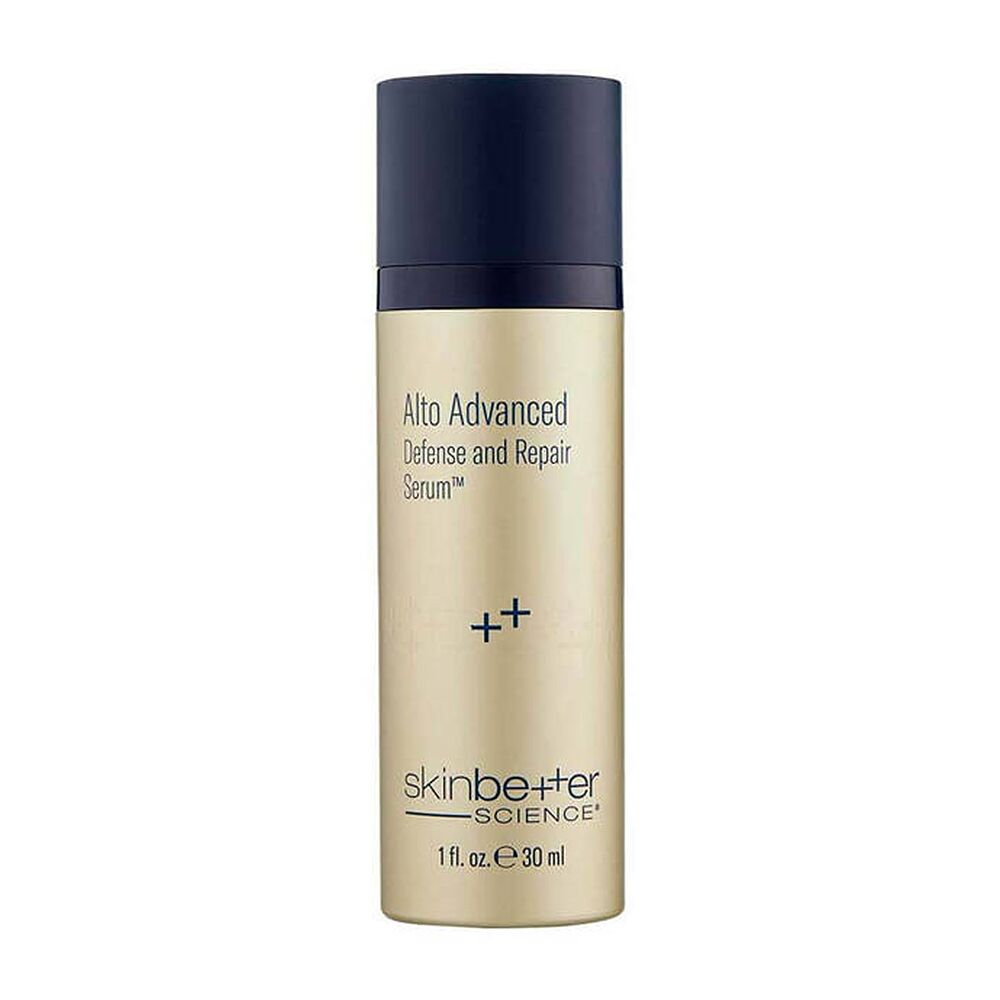
Dr. Souyoul also suggests skinbetter science Alto Advanced Defense and Repair Serum ($195) for patients who want antioxidant protection without irritation. She points to its multi-antioxidant blend, which she says can be easier for sensitive skin to tolerate than formulas built around a single active.
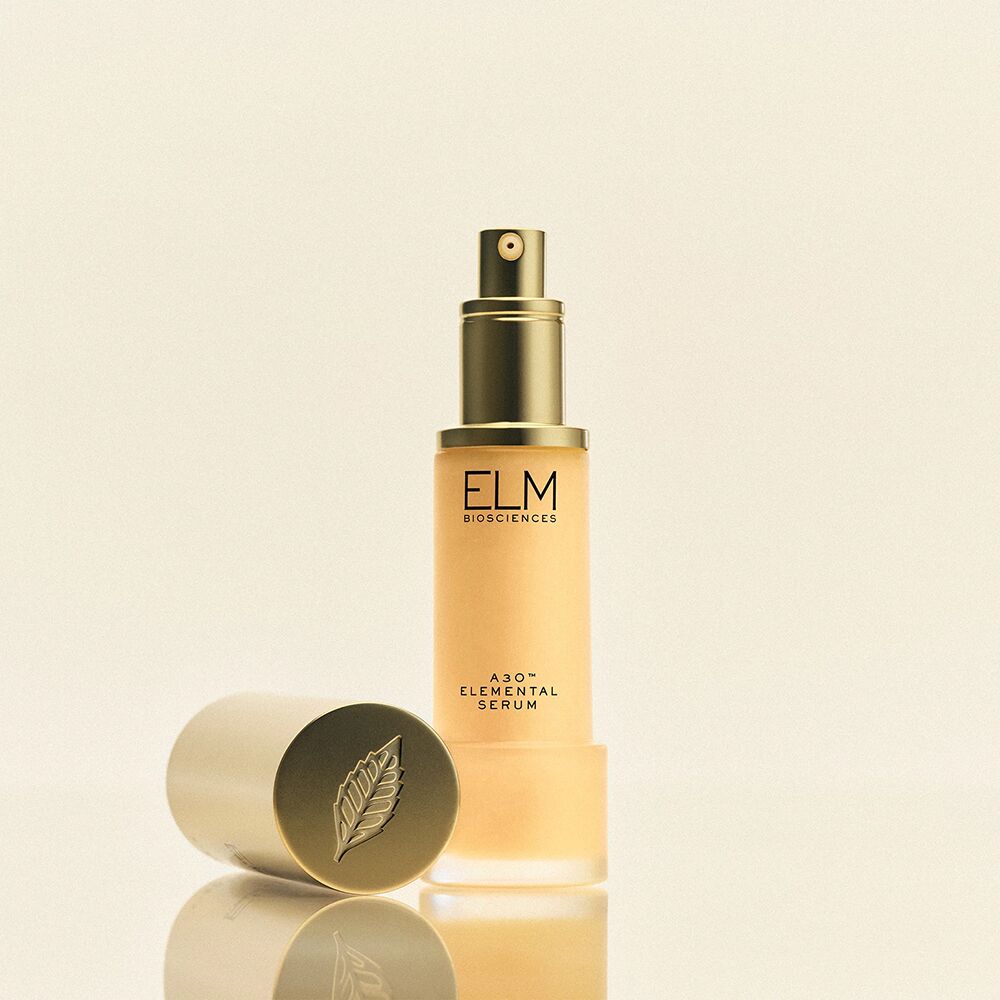
Newer antioxidant technologies are also trying to solve the irritation problem. “For my sensitive skin patients, and as someone with rosacea myself, I’m always looking for antioxidant formulas that are stable but less irritating,” says Falls Church, VA dermatologist Dr. Brittany Smirnov. One option she recommends is A30 Elemental Serum by elm biosciences ($135), “which was designed to deliver antioxidant protection in a way that is gentler than traditional vitamin C formulas.”
Alternative Antioxidants Gaining Attention
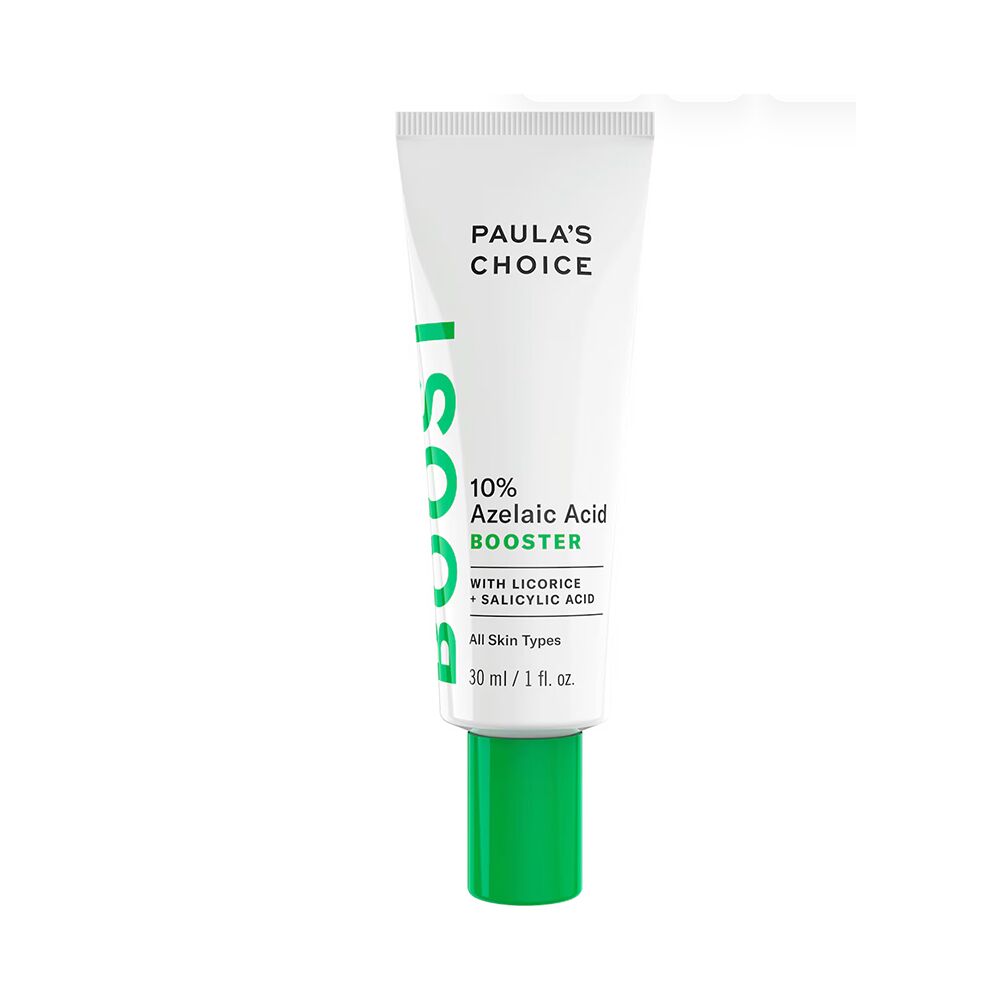
Vitamin C is not the only option for antioxidant protection. Dermatologists say ingredients like azelaic acid can defend skin while calming inflammation. “If I had to choose one antioxidant for my rosacea patients, it would be azelaic acid,” says Dr. Chouake. “Its ability to improve rosacea is well known and it is even FDA-approved as a treatment.” Unlike vitamin C, which neutralizes free radicals directly, azelaic acid helps reduce reactive oxygen species linked to redness, hyperpigmentation and oxidative damage. You’ll find it in formulas like Paula’s Choice 10% Azelaic Acid Booster ($39), a treatment designed to calm redness and even skin tone.
Another category gaining attention includes polyphenols, a group of antioxidants that help neutralize environmental stress while remaining gentle on sensitive skin. “One of the biggest challenges with sensitive skin is finding ingredients that are both effective and well tolerated,” says New York dermatologist Rachel Westbay, MD. “Antioxidants like gallic acid and vitamin E are valuable because they help neutralize environmental stressors such as pollution and oxidative damage that can accelerate visible aging and impair the skin barrier.”
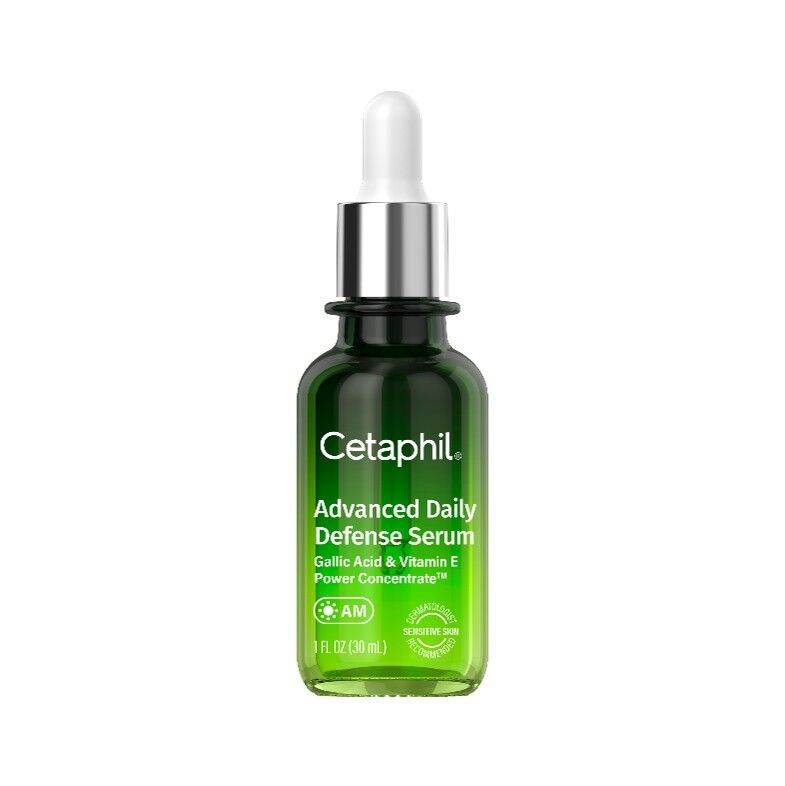
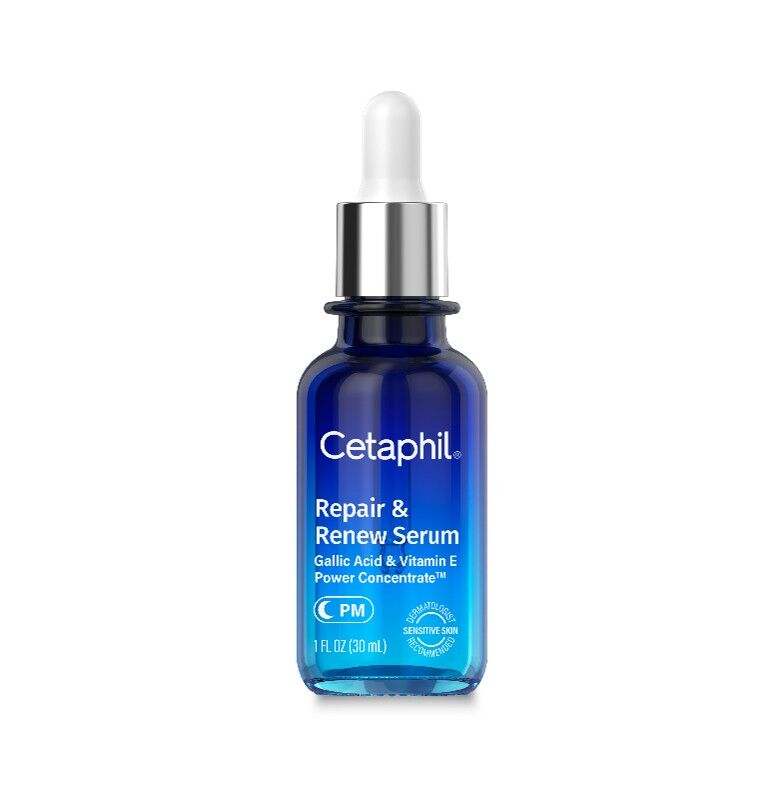
You’ll find those ingredients paired together in Cetaphil’s new Advanced Defense Serum ($20) and Repair & Renew Serum ($20), an AM and PM antioxidant duo formulated with gallic acid, vitamin E, niacinamide and multiple forms of hyaluronic acid to support the skin barrier and maintain hydration. “Gallic acid helps defend the skin against daily oxidative stress, while vitamin E supports barrier function and helps reduce irritation by stabilizing the skin’s lipid layer,” says Dr. Westbay.
“When antioxidants are paired with ingredients that support the barrier, you can improve concerns like dullness, pore appearance and fine lines while still respecting the needs of sensitive skin,” says Dr. Westbay. “That combination of antioxidant protection and barrier support is really key. It allows patients with sensitive skin to see results while keeping their skin calm and comfortable.”